

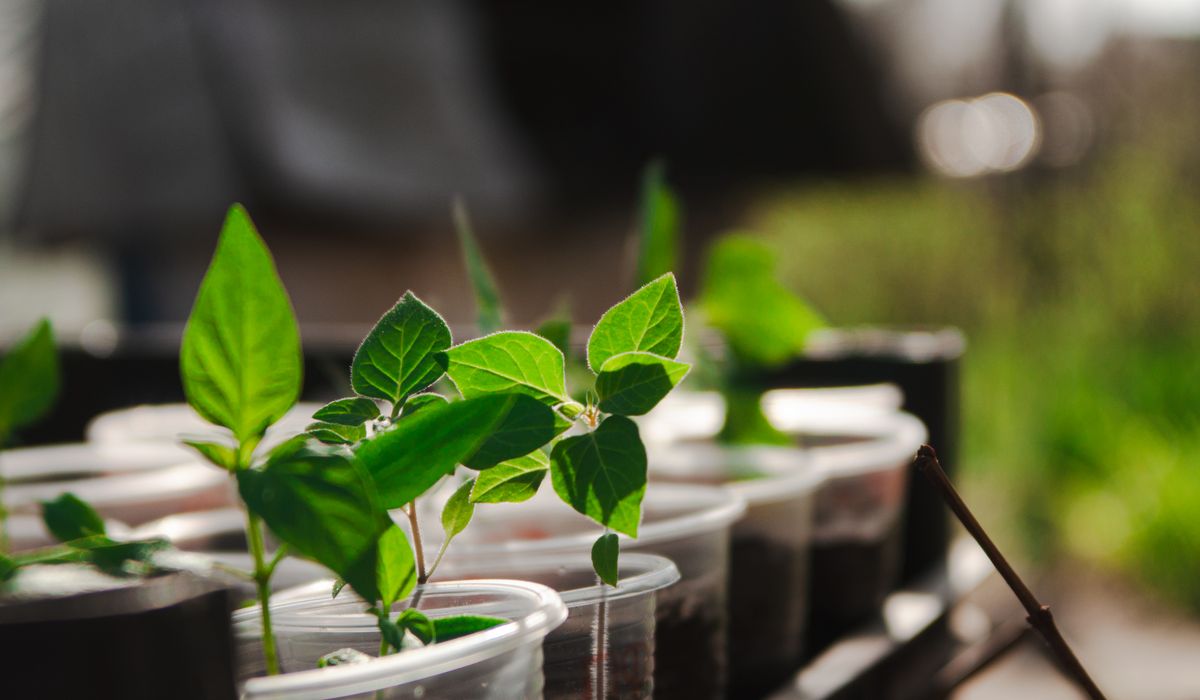
Why a windowsill is the best-value growing space in the house
Most of us have a windowsill doing nothing more useful than holding a candle and a forgotten birthday card. Yet a south- or west-facing kitchen window can supply you with fresh herbs for the best part of the year, often outperforming a windswept outdoor pot that gets battered by rain and slugs. The trick is understanding that a windowsill is its own peculiar growing environment: bright but one-sided, warm but dry, sheltered but strangely prone to temperature swings.
Light is the deciding factor. A south-facing window gives the strongest, longest daylight and suits basil, thyme and rosemary. East-facing is gentler but still workable, particularly for parsley and chives. A north-facing sill will disappoint most sun-lovers, though mint, parsley and chives will usually muddle through. Whatever your aspect, move pots back a little in high summer. Glass magnifies heat, and midday sun through a window can scorch tender leaves within an hour or two.
Choose herbs that genuinely settle indoors
Some herbs tolerate indoor life far better than others. Start with these, and resist the urge to cram everything onto one sill.
- Basil – the classic windowsill herb. Buy a supermarket pot, split the crowded seedlings into three or four separate pots, and you will get months of growth instead of a fortnight.
- Mint – vigorous to the point of bullying. Always give it its own pot, because its roots will invade anything sharing the compost.
- Parsley – slow and erratic from seed, so buy a plant instead. Flat-leaf types tend to have better flavour than curly ones.
- Chives – tough, happy in lower light, and they regrow quickly after cutting.
- Thyme and rosemary – worth trying on a bright, airy sill, but they resent damp compost and stuffy rooms. Water sparingly.
Pots, compost and the drainage question
Drainage is where most indoor herb projects fail. A pot with no hole in the base becomes a swamp after two waterings, and roots of basil and thyme rot quickly in waterlogged compost. Choose pots with proper drainage holes, at least 12–15cm across for a single basil plant, and stand them on a saucer so you can tip away any water that runs through.
Use a peat-free multipurpose compost, ideally with a handful of perlite mixed through to keep it open and airy. Terracotta dries out faster than plastic, which suits rosemary and thyme, while plastic holds moisture longer for parsley and mint. Whatever you choose, add a thin layer of grit on the surface to stop compost splashing onto leaves and to deter the little flies that hover over permanently damp soil.
Watering, feeding and coping with our dark winters
Windowsill herbs want even moisture, not a drench-and-drought cycle. Push a finger 2cm into the compost; if it feels dry at that depth, water until it runs through, then stop. In winter, water far less and never leave pots sitting in a puddle. If your sill is above a radiator, move the pots elsewhere or shield them, because rising hot air dries leaves and stresses roots.
From March to September, feed with a dilute liquid fertiliser every fortnight. A general-purpose feed or a tomato feed both work well. Through the short days of November to February, growth slows and plants naturally look tired. Reduce feeding to once a month or stop entirely, and consider a small clip-on LED grow light if you want to keep basil productive right through the winter. Turn pots a quarter turn each week so plants grow straight rather than leaning desperately towards the glass.
Harvest often, and harvest properly
Regular picking is not just for your dinner; it is what keeps herbs bushy and productive. A plant that is never cut simply stretches upwards, flowers, and stops producing leaves.
- Basil – pinch out the growing tip just above a pair of leaves. Two new shoots will grow from that point. Remove flower buds as soon as they appear.
- Parsley – cut the outer stems right at the base, working around the plant rather than stripping the middle.
- Mint – snip whole stems near the base, always above a leaf joint. Never let it flower if you want leaves rather than a leggy stick.
- Chives – cut with scissors about 3cm from the compost and they will regrow within a couple of weeks.
Take a little from each plant every few days rather than a huge harvest once a month. This steady, gentle cropping suits the plants and keeps a constant supply in the kitchen.
Common problems and quick fixes
Yellowing lower leaves usually mean overwatering or poor drainage. Ease off and check the pot holes. Pale, spindly growth points to too little light, so move the pot closer to the glass or accept that the spot suits parsley better than basil.
Tiny black flies hovering around the compost are fungus gnats, a sign of persistently wet soil. Let the surface dry between waterings and top with grit. Greenfly and whitefly can be washed off with a firm spray of water or wiped away by hand; check the undersides of leaves weekly. Fine webbing and mottled leaves in a warm, dry room suggest red spider mite, so raise humidity slightly and remove affected foliage. With a little attention, a single windowsill can keep you in fresh herbs almost all year round.




John Doe
14 January, 2022Having no content in post should have adverse..
Chauffina Carr
10 April, 2022We use these tests all time! Killer stuff!
Jim Séchen
16 July, 2022Thanks for all the comments, everyone!