

Why Clay Soil Is Both a Curse and a Gift
If you have ever tried to push a fork into your allotment in February and felt it bounce back at you, you already know the challenge. Heavy clay is sticky when wet, rock-hard when dry, and it seems to take a perverse pleasure in swallowing your wellies whole. Yet clay is also, in the long run, one of the most rewarding soils a grower can inherit. It holds water and nutrients far better than sandy ground, and once you have coaxed it into good heart it will reward you with crops that lighter soils simply cannot match.
The trick is not to fight the clay but to change its structure. Clay particles are tiny, flat and plate-like, and they pack together tightly, leaving very little space for air or roots. Your job over the coming months is to open that structure up, and the good news is that it is entirely doable before spring planting.
Understanding What You Are Working With
Before you start, do a simple test. Take a handful of moist soil and squeeze it into a ball. If it holds together firmly and can be rolled into a smooth sausage that bends without cracking, you have serious clay. If it crumbles at the edges, you have clay loam and an easier job ahead.
Also check drainage. Dig a hole about 30cm deep, fill it with water, and see how long it takes to disappear. If it is still there after several hours, you may have a compacted pan beneath the surface that needs breaking with a fork before anything else will help.
Knowing this tells you how much grit and organic matter you will need, and how gently you must tread. Never walk on wet clay if you can avoid it — each footprint compresses the structure and undoes weeks of work.
The Autumn Dig: Timing Is Everything
The single most valuable thing you can do for clay is to dig it in autumn and then leave it alone. Digging in the wet of winter smears the soil into a sticky, airless mess, while digging in spring when it is still cold and damp risks the same damage.
Aim for a day when the surface is dry enough to crumble rather than clag. Dig in rough clods, turning them over and leaving the surface uneven and lumpy. Do not break them down with a rake — you want the frost and rain to do that work for you. Freezing water expands inside the clods and shatters them naturally, giving you a far finer tilth by March than any amount of brute force could achieve.
On a new plot, work in one direction only, digging a trench and backfilling as you go. It is slow, honest work, but a single autumn pass will transform how the soil behaves next season.
Adding Organic Matter — The Real Fix
If there is one golden rule for clay, it is this: add organic matter, and keep adding it. Compost, well-rotted manure, leafmould and mushroom compost all work wonders, binding the tiny clay particles into larger crumbs that allow air, water and roots to move freely.
- Garden compost: spread a 5–8cm layer over the surface in autumn and let the worms pull it down over winter.
- Well-rotted manure: excellent for opening heavy ground, but make sure it is at least a year old — fresh manure can burn roots and add unwanted weed seeds.
- Leafmould: slower to act but superb for structure, and free if you have trees nearby.
- Composted bark or green waste: a useful bulky addition when you cannot get manure.
Do not dig these in deeply. Layering them on the surface and letting worms and weather incorporate them is kinder to the soil and far less effort. Repeat every year, and within three or four seasons you will notice the difference every time you put a spade in.
Grit, Gypsum and Other Helping Hands
Horticultural grit is the traditional remedy for clay, and it does help — but only if you add a lot. A token sprinkle does nothing. You need roughly a bucketful per square metre to make a real difference, so it is best reserved for small beds, raised beds or the vegetable patch you use most.
Gypsum is another old favourite, particularly useful on sodic clays where it helps flocculate the particles into crumbs. It will not fix compaction on its own, so use it alongside organic matter rather than instead of it.
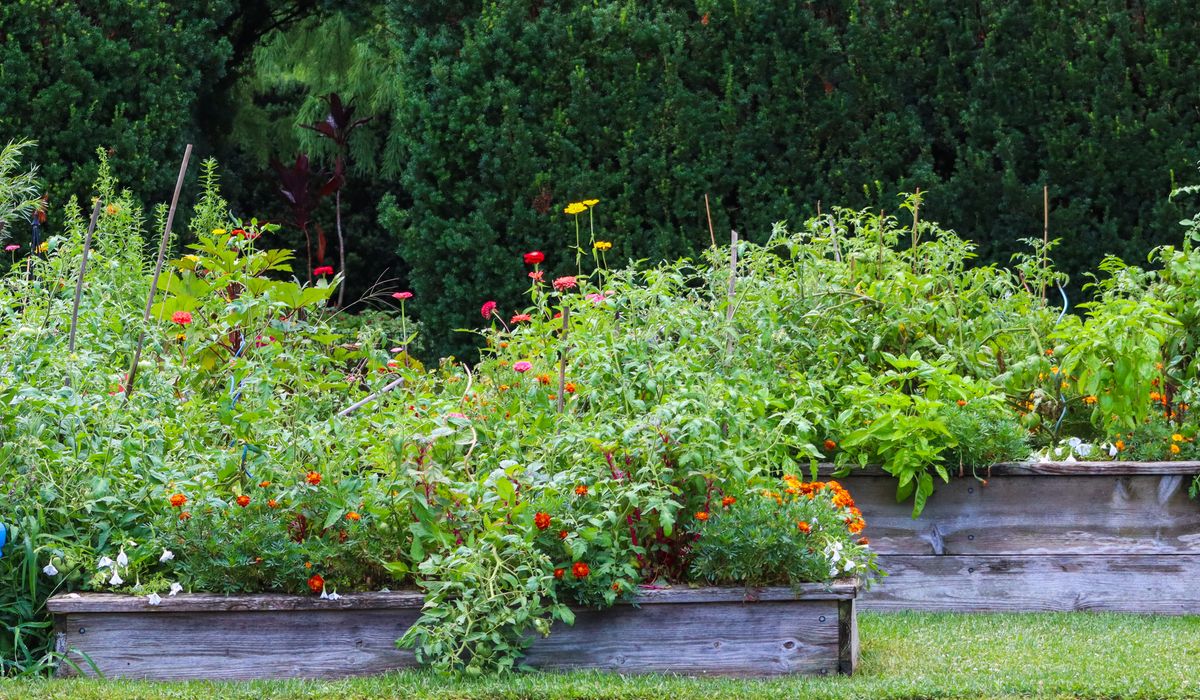
For heavy ground, consider building raised beds filled with a loam-based mix. This gives you immediate workable soil while you improve the clay beneath at your leisure.
Choosing Crops That Cope and Thrive
Some vegetables are surprisingly happy in clay, and growing them while you improve the soil is a sensible way to get a harvest rather than waiting years for perfection.
- Brassicas: cabbages, sprouts and kale love firm ground and will sulk on loose soil.
- Beans and peas: their roots break up clay naturally and fix nitrogen as a bonus.
- Roots: carrots and parsnips can fork in stony or lumpy clay, so sieve a little compost into the row first.
- Salad and onions: happier in the lightened beds you have worked hardest.
Avoid leaving clay bare over winter, as rain will batter it into a cap. Sow a green manure such as grazing rye or field beans in autumn, then dig it in during early spring to add yet more organic matter.
Clay is not the enemy. Treated with patience, a bit of grit, plenty of compost and the free labour of frost and worms, it becomes the finest growing ground on the allotment site.





John Doe
14 January, 2022Having no content in post should have adverse..
Chauffina Carr
10 April, 2022We use these tests all time! Killer stuff!
Jim Séchen
16 July, 2022Thanks for all the comments, everyone!