

You do not need an allotment or a half-acre garden to grow your own fruit. A sunny patio, a sheltered courtyard, or even a wide doorstep can produce bowls of gooseberries, handfuls of blueberries, and enough blackcurrants for a decent batch of jam. The trick is picking the right plants, giving them room in a pot large enough to thrive, and staying on top of winter pruning. Get those three things right and even the smallest growing space can be surprisingly generous.
Why fruit bushes suit small spaces so well
Most soft fruit bushes are naturally compact, growing to around 1–1.5 metres tall and wide when left unpruned. They are long-lived, cropping reliably for a decade or more, and they look good enough to earn a place on a patio rather than being hidden away at the bottom of the garden. Unlike annual vegetables, you plant them once and enjoy them year after year.
They are also forgiving. Fruit bushes cope with container life far better than most people expect, provided they are watered properly and repotted every few years. A single blackcurrant in a 40cm pot will happily give you 2–3kg of fruit once established. Three or four pots arranged along a wall can turn a plain courtyard into a productive little orchard.
Choosing the right varieties
Space is precious, so every plant needs to earn its keep. The single most important decision is whether a variety is self-fertile. Many fruit bushes crop poorly or not at all when grown alone, so unless you have room for a pollinating partner, always choose a self-fertile cultivar.
- Blackcurrants — most are self-fertile but crop best with another variety nearby. 'Ben Sarek' is compact and heavy-cropping, ideal for pots.
- Redcurrants and whitecurrants — largely self-fertile. 'Jonkheer van Tets' is an early, reliable red; 'White Versailles' is sweet and generous.
- Gooseberries — self-fertile and very tolerant of pots. 'Invicta' is mildew-resistant and heavy-cropping; 'Hinnonmaki Red' is compact and tasty fresh.
- Blueberries — need acidic soil, so grow them in ericaceous compost. 'Bluecrop' and 'Sunshine Blue' are self-fertile; 'Sunshine Blue' is particularly compact.
- Blackberries and hybrid berries — choose a compact, thornless type such as 'Loch Ness' and train it up a wall or obelisk.
If you only have room for one pot, a self-fertile blueberry or a gooseberry is a safe, productive bet. If you have space for two, a redcurrant and a gooseberry planted side by side will pollinate each other and give you a longer picking season.
Pots, compost, and planting
Size matters more than style. Use the largest pot you can reasonably accommodate: a minimum of 35–40cm diameter for a single bush, and 45–50cm for blackberries or vigorous blackcurrants. Terracotta looks lovely but dries out quickly; glazed ceramic or good-quality plastic holds moisture far better and insulates roots from summer heat and winter frost.
Always use a soil-based compost such as John Innes No. 3, or a quality peat-free multipurpose mixed with a third by volume of garden compost or well-rotted manure. Soil-based compost holds nutrients and water longer, which matters enormously in a container. Add a handful of slow-release fertiliser at planting and mix it through.
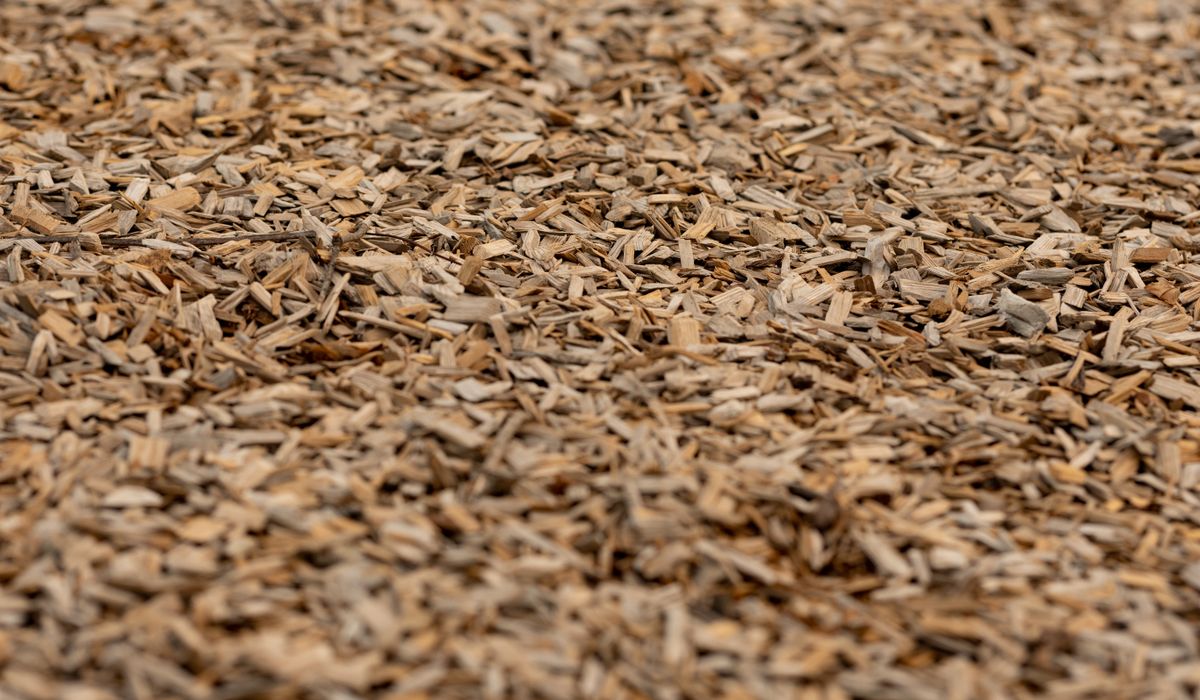
Before planting, check drainage. Place crocks or broken polystyrene in the base, then fill partway with compost. Set the bush so the old soil mark sits level with the new compost surface — planting too deep is a common mistake and can kill the plant. Firm gently, water thoroughly, and mulch the surface with bark chippings to slow evaporation.
Position pots in full sun if you can. Fruit bushes will tolerate a little shade, but cropping drops sharply in anything less than six hours of direct light a day. In windy courtyards, weight the pots or stand them in a sheltered corner so they do not topple.
Watering and feeding through the year
Container-grown fruit has no access to groundwater, so it depends entirely on you. From April to September, water daily in warm weather and twice daily during heatwaves. A saucer beneath the pot helps, but never let the roots sit in stagnant water.
Feed little and often. From early spring, apply a high-potassium tomato feed every fortnight once flowers appear. This encourages fruit rather than leafy growth. Blueberries need a specialist ericaceous feed instead, and rainwater rather than tap water where possible, as tap water gradually raises the pH.
Repot every two to three years in late winter, teasing out the rootball and replacing the top third of the compost. This keeps plants vigorous and prevents them becoming pot-bound.
Pruning each winter for better crops
Winter pruning is what separates a modest crop from an abundant one. Do it between November and February while plants are dormant.
- Blackcurrants — cut out up to a third of the oldest stems at ground level each year. Fruit forms on young wood, so this keeps the bush productive.
- Redcurrants and whitecurrants — shorten side shoots to two or three buds and remove any crowded or crossing branches.
- Gooseberries — trim the current season's growth back to about five buds, creating an open, goblet-shaped framework.
- Blueberries — remove only dead, damaged, or very old stems. They fruit on wood two to three years old, so be gentle.
- Blackberries — cut out canes that fruited last year and tie in the new canes for next season.
Always cut out anything dead, diseased, or crossing, and aim for an open centre so air and light reach the ripening fruit. A sharp pair of bypass secateurs and a few minutes of work will repay you many times over in the following summer's harvest.
Making the most of a tight space
Think vertically and in layers. Underplant tall bushes with strawberries or herbs, train blackberries up a trellis, and group pots together so they shade each other's roots. A simple drip irrigation kit removes the daily watering chore entirely and pays for itself in one hot summer.
Even a modest collection — a gooseberry, a redcurrant, and a blueberry beside the back door — gives you fresh fruit from June through to September. Start small, keep the pots generous, prune each winter, and your courtyard will quietly outproduce many a larger garden.



John Doe
14 January, 2022Having no content in post should have adverse..
Chauffina Carr
10 April, 2022We use these tests all time! Killer stuff!
Jim Séchen
16 July, 2022Thanks for all the comments, everyone!