

Why Growing Together Works for Young Helpers
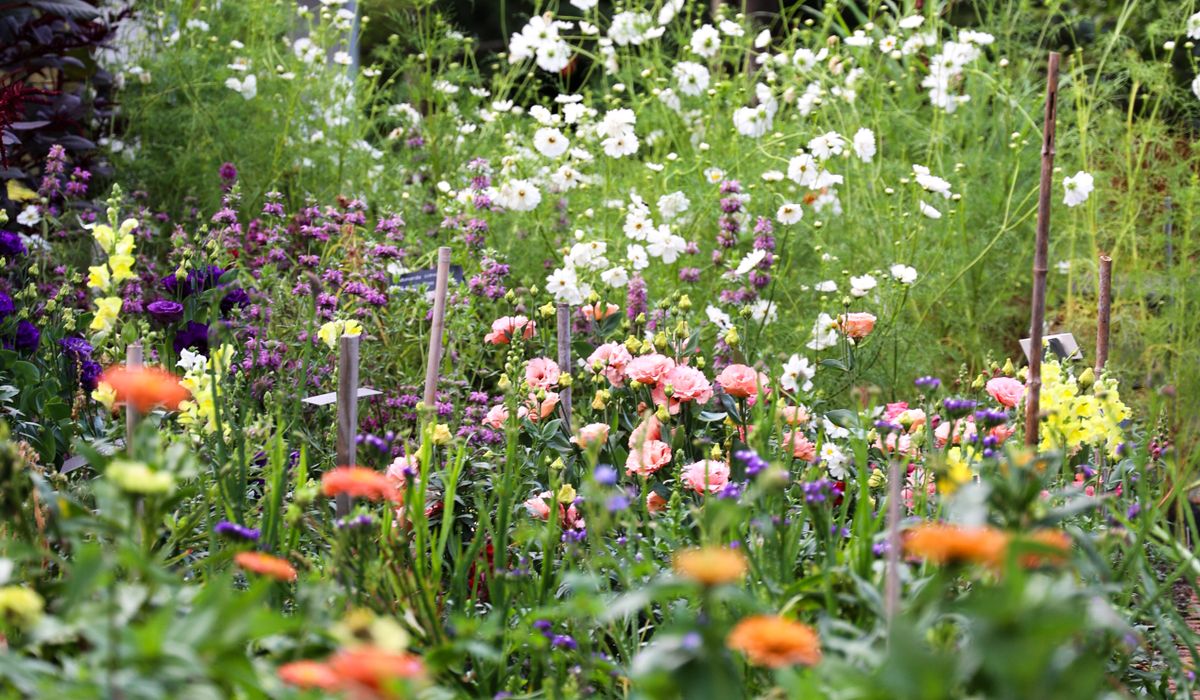
Community plots are wonderfully noisy places, and they are even better when children are part of the racket. Young helpers bring enthusiasm and endless questions, and in return they gain something rare: the chance to see where food comes from and to feel genuinely useful. The trick is to design the session around them rather than bolting children onto an adult job list. Think in short, satisfying bursts of activity, give every child a real task, and make sure something changes visibly before they go home.
Whether you run a community allotment, a school growing club, a churchyard garden or a few raised beds behind a village hall, the principles are the same: keep it practical, keep it safe, keep it fun.
Quick Crops That Reward Little Hands
Children lose interest in anything that takes four months to show a result. Choose crops that germinate in days and are ready to eat within weeks, so every visit brings something new to see, smell or taste.
- Mustard and cress — scatter on damp kitchen paper in a shallow tray and you will have something to snip in three to five days. Perfect for a wet Wednesday indoors.
- Radishes — sow thinly from March to September; many varieties are ready in three to four weeks. Easy to pull, brightly coloured and satisfyingly crunchy.
- Cut-and-come-again salad leaves — rocket, mizuna and loose-leaf lettuce can be harvested with scissors and will regrow for several cuttings.
- Sugar snap peas — sow in deep pots or lengths of guttering, then watch the tendrils climb. Most children will eat a pea straight from the pod, even if they claim not to like them.
- Sunflowers — tall, dramatic and fast enough to measure weekly. Leave the seed heads for the birds in autumn.
- Herbs — mint, chives and parsley in a pot by the gate give children something to brush past and sniff on every visit.
Build a Bug Hotel in an Afternoon
Not every session has to be about vegetables. A bug hotel is a brilliant group project because it is quick, uses scrap materials and produces something visibly finished by home time.
- Start with a simple frame — stacked pallets, a few loose bricks or an old crate will do.
- Fill the gaps with different materials: hollow bamboo canes for solitary bees, drilled blocks of wood, dry leaves and twigs for beetles, broken terracotta pots for woodlice, and a few stones with gaps beneath for frogs and toads.
- Site it somewhere sheltered and sunny, facing south or west, and leave the front slightly open.
- Check for sharp nails, splinters and broken glass before children start handling anything, and give everyone gloves.
Make a small sign together and add a tick sheet so children can record what they spot each week — ladybirds, hoverflies, spiders and the occasional snail.
Short Sessions, Clear Jobs, Happy Children
Twenty to thirty minutes of focused activity is plenty for most primary-aged children. Break the visit into a warm-up, one main task and a finishing job, and give each child a named role: waterer, seed sower, label writer, wheelbarrow pilot, compost stirrer.
Good jobs for small hands include filling pots with compost, pressing seeds into modules, watering with a small can or spray bottle, pulling weeds from a clearly marked patch, and carrying lightweight harvests to a table. Avoid long stretches of weeding or digging, which tire children quickly and rarely hold their attention.
A snack helps enormously. A few strawberries, a handful of peas or a cup of mint tea made from leaves you have just picked turns a chore into an occasion, and gives everyone a chance to sit down and talk.
Staying Safe and Comfortable on Site
Growing spaces vary enormously, so walk the area before children arrive and check for hazards.
- Use child-sized tools where possible; a full-size fork is heavy and dangerous in small hands.
- Check that water butts, ponds and tanks are covered or fenced.
- Insist on hand washing after touching soil or compost, and before eating.
- Provide gloves, sun hats in summer and waterproofs in winter, plus a shaded spot to retreat to.
- Make sure every child knows the boundary of the site and who is responsible for them.
Keep a simple first-aid kit nearby and ensure at least one adult has current paediatric first-aid training.
Watching Seeds Grow: Simple Projects and Routines
Children love a growing project they can follow from a windowsill. Plant a broad bean or sunflower seed in a clear jar lined with damp kitchen paper against the glass, and roots and shoots become visible within a week.
Set up a routine that keeps everyone connected between visits: a measuring chart on the shed wall, a photograph taken from the same spot each week, or a shared diary where children draw what has changed. A watering rota with names on it builds a sense of ownership and draws families in too.
Finally, celebrate the harvest. A summer picnic on the plot, a jar of herb butter, or a batch of mint tea made from the garden's own leaves shows young helpers that their work mattered — and that growing things is something worth coming back to.




John Doe
14 January, 2022Having no content in post should have adverse..
Chauffina Carr
10 April, 2022We use these tests all time! Killer stuff!
Jim Séchen
16 July, 2022Thanks for all the comments, everyone!